Speed Roulette Strategy: Auto Roulette Gameplay, Betting Rules, Odds and Payouts for Fast Roulette Online
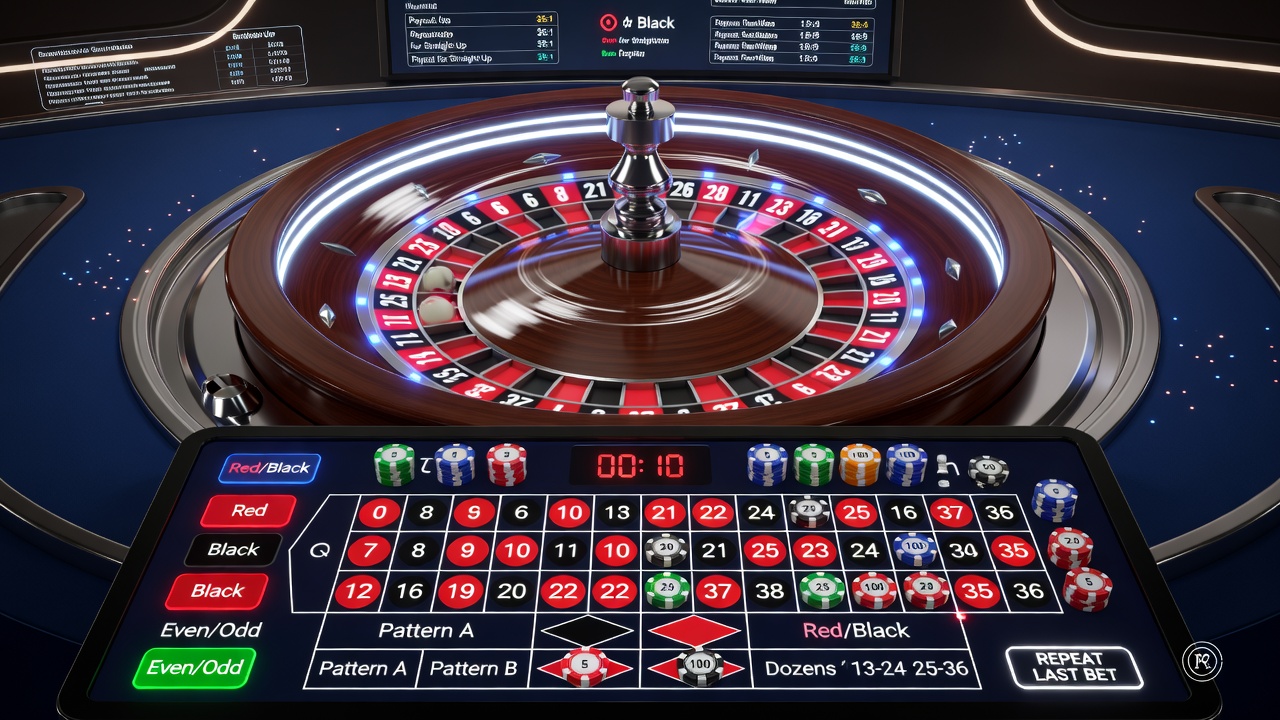
A standard roulette wheel spins roughly twelve times an hour with a live dealer at the table. Speed roulette variants push that number past sixty spins in the same window. That fivefold acceleration changes everything about how a player should approach betting, bankroll management, and decision-making at the table. The math behind the wheel stays identical, but the human factors around it shift dramatically.
Most players discover speed roulette by accident, clicking into a lobby expecting the usual slow pace and finding a wheel that barely pauses between rounds. The learning curve is steeper than it looks. Betting windows close in seconds, not minutes, and hesitation costs missed rounds rather than missed thoughts. If you want to see the format in action before committing real money, this link leads to a version of the game where you can watch the pacing firsthand. Understanding the rhythm before wagering is the single biggest advantage a new player can gain.
This piece breaks down what makes fast-paced wheels different, how the betting rules hold up under compressed timing, what odds and payouts actually look like once the dust settles, and which strategic adjustments separate players who adapt from those who burn through a bankroll in twenty minutes flat.
What Is Speed Roulette and Why It's Gaining Popularity
Speed roulette is a variant built around one core change: dramatically shortened betting intervals. Where classic roulette gives players thirty to forty-five seconds to place chips, speed versions cut that to around ten to fifteen seconds per round, sometimes less. The wheel itself, the pocket layout, and the payout structure remain untouched. What changes is the tempo of play.
The Rise of Auto Roulette Formats
Auto roulette gameplay removes the human dealer entirely. A mechanical wheel spins on a timer, a sensor reads the result, and the software settles bets instantly. No dealer means no pauses for chip clearing, no verbal calls, no waiting for a colleague to finish a shift change. The automation is precisely why speed formats became viable in the first place - a human dealer physically cannot spin, call, and pay out sixty times an hour with any consistency, but a machine can.
Live Dealer vs Automated Wheels
Some platforms blend both worlds, using a live dealer who initiates the spin but relies on automated systems for settlement and timing. Others go fully automated with no human presence at all. The distinction matters for players who value the social or theatrical side of the game, but for anyone focused purely on speed and volume, automated wheels offer more consistent pacing since there's no variance introduced by a dealer's individual rhythm.
Why Players Are Switching to Fast Formats
The appeal isn't purely about thrill-seeking. Faster rounds mean faster feedback on a betting system, which appeals to players testing progressive strategies. It also suits those with limited session time who want maximum rounds played per minute logged in. The tradeoff is that faster play means faster losses when a strategy misfires, so the format rewards discipline more than patience.
How Auto Roulette Gameplay Actually Works
Understanding the mechanics behind automated wheels clarifies why the betting window is so tight and why certain strategies that work fine in slow formats fall apart here.
The Role of RNG and Physical Wheel Sensors
Auto roulette typically uses a real physical wheel and ball, with optical or electromagnetic sensors detecting where the ball lands. This differs from purely digital roulette, which relies entirely on a random number generator with no physical component. The presence of an actual spinning wheel gives many players more confidence in fairness, even though certified RNG systems are equally regulated and audited.
Betting Windows and Round Timing
A typical speed roulette round breaks into three phases: a short betting window, a spin phase where no new bets are accepted, and a settlement phase where winnings post to the account. The entire cycle often completes in under twenty seconds. Players who are used to slower formats frequently miss the betting window entirely during their first few sessions simply because they're still deciding on chip placement when the timer expires.
Interface Design for Rapid Play
Because decisions must happen fast, interfaces for fast roulette online are built around one-click betting, saved bet patterns, and repeat-last-bet buttons. Chip stacking, racetrack betting layouts, and neighbor bets all still function, but the friction of navigating menus is stripped down considerably compared to standard tables. Familiarity with the interface before a real-money session pays off directly in fewer missed rounds.
Roulette Betting Rules Explained for Speed Formats
The rules governing which bets are allowed and how they're structured don't change between speed and standard roulette. What changes is how much time you have to act on them.
Inside Bets vs Outside Bets
Inside bets cover specific numbers or small groups of numbers - straight-up, split, street, corner, and six-line bets. Outside bets cover broader categories like red/black, odd/even, high/low, dozens, and columns. Inside bets carry higher payouts with lower probability of hitting; outside bets pay less but land far more often. In a fast format, outside bets are generally easier to place correctly under time pressure since they don't require precise chip placement on a crowded number grid.
Table Limits and Minimum Bet Structures
Speed roulette tables often set lower minimum bets than standard tables, since the volume of rounds compensates for smaller individual wagers. Maximum bet limits can vary by bet type - straight-up bets typically cap lower than outside bets like red/black, reflecting the payout disparity. Reading the table's limit structure before playing prevents unpleasant surprises when a bet gets rejected mid-session.
Special Bets: Neighbors, Racetrack, and Call Bets
Advanced betting options like neighbor bets, voisins du zero, and orphelins use a racetrack layout representing the wheel's physical order rather than the numerical grid. These bets are popular among experienced players but demand extra seconds to place correctly. In a compressed betting window, attempting complex racetrack bets increases the risk of missing the round altogether, so many fast-format players simplify their bet selection deliberately.
Roulette Odds and Payouts You Need to Know
The underlying probability of any given roulette outcome is fixed by the wheel's physical structure - European wheels carry thirty-seven pockets, American wheels carry thirty-eight due to the additional double-zero. This single difference shifts the house edge meaningfully.
European vs American Wheel Differences
A European wheel gives the house an edge of approximately 2.7%, while the American wheel's extra pocket pushes that edge closer to 5.26%. Speed roulette variants are available in both formats, and the choice between them matters more for long-term expected value than any betting pattern layered on top.
Payout Ratios for Common Bet Types
Standard payout structures apply consistently across formats:
- Straight-up (single number): 35 to 1
- Split (two numbers): 17 to 1
- Street (three numbers): 11 to 1
- Corner (four numbers): 8 to 1
- Six-line (six numbers): 5 to 1
- Column or dozen: 2 to 1
- Red/black, odd/even, high/low: 1 to 1
How the House Edge Applies at High Speed
The house edge doesn't increase because rounds move faster - each spin remains statistically independent regardless of timing. What changes is exposure. Playing sixty rounds an hour instead of twelve means the house edge compounds against a much larger volume of wagers in the same session length, which is why bankroll management matters more, not less, in fast formats.
Speed Roulette Strategy: What Actually Works
No betting system alters the underlying probability of any spin. What a sound speed roulette strategy actually does is manage bankroll exposure and emotional decision-making under time pressure.
Adapting Classic Systems (Martingale, Fibonacci) to Fast Play
Progressive systems like Martingale or Fibonacci function the same mathematically in speed formats, but the accelerated pace means a losing streak compounds far faster in real time. A six-loss streak that might take twenty minutes at a standard table can happen in under three minutes on a speed wheel, which means table limits get reached sooner and bankrolls deplete faster if the system isn't capped with a strict stop-loss.
Bankroll Management for Rapid Rounds
Setting a fixed loss limit per session becomes non-negotiable in fast formats. A useful approach is calculating a per-round unit size based on total bankroll divided by a target number of rounds, then holding firm regardless of short-term outcomes. Because rounds resolve so quickly, there's little time to reassess mid-streak, so the plan needs to be locked in before the session starts.
Mental Discipline and Avoiding Tilt in High-Speed Sessions
The compressed pace of auto roulette gameplay leaves almost no gap between a loss and the next betting decision. That gap is exactly where discipline usually gets exercised in slower games. Building in artificial pauses - stepping away after a set number of losses, or capping session length by the clock rather than by outcome - helps counter the impulse to chase losses that speed formats otherwise encourage.
Choosing the Right Platform for Fast Roulette Online
Not all platforms handle speed formats equally well, and the differences show up in latency, table availability, and how clearly the rules are presented before you commit funds.
Licensing and Fairness Verification
Any platform offering auto roulette gameplay should carry visible licensing information and third-party fairness certification for either the RNG or the physical wheel sensor system. Checking for this before depositing is a basic safeguard that takes under a minute.
Table Variety and Betting Limits
Platforms vary in how many speed tables they run simultaneously and what limit ranges they offer. Some cater to low-stakes rapid players, others run high-limit speed tables aimed at experienced bettors. Matching the table to your bankroll and pace preference matters more in fast formats than slow ones, since a mismatched limit forces uncomfortable bet sizing under time pressure.
Mobile Compatibility and Connection Speed
Because betting windows are short, a laggy connection or a poorly optimized mobile interface directly costs missed rounds. Testing the platform's responsiveness on your actual device before playing with real stakes avoids the frustration of watching a bet fail to register before the timer runs out.
Frequently Asked Questions
Is speed roulette fair compared to standard roulette?
Yes, the odds and house edge are identical to standard roulette since the wheel layout and payout ratios don't change. The only difference is how quickly rounds are resolved, not the underlying probability of any outcome.
Can I use a betting system like Martingale on a speed wheel?
You can, but losing streaks accumulate much faster in real time, so table limits get hit sooner. Set a strict stop-loss before playing and treat the faster pace as a reason for tighter bankroll control, not looser bet sizing.
What happens if I miss the betting window?
If the timer expires before your bet registers, the round simply proceeds without your wager and settles based on where the ball lands. There's no penalty beyond not participating in that particular spin.
Are automated wheels more trustworthy than fully digital RNG roulette?
Neither format is inherently more trustworthy; both rely on certified fairness systems. Automated physical wheels use sensor technology to detect ball position, while digital versions use audited random number generators - both are subject to independent testing under proper licensing.
Why do speed tables often have lower minimum bets?
Lower minimums let operators maintain steady betting volume across a much higher number of rounds per hour. It also gives players more flexibility to manage a bankroll across a longer session without needing large per-round stakes.
Does playing more rounds per hour increase my chances of winning?
No, each spin remains statistically independent, so playing more rounds doesn't shift the probability of any single outcome in your favor. It does increase total exposure to the house edge over the course of a session, which is why bankroll discipline matters more at higher speeds.