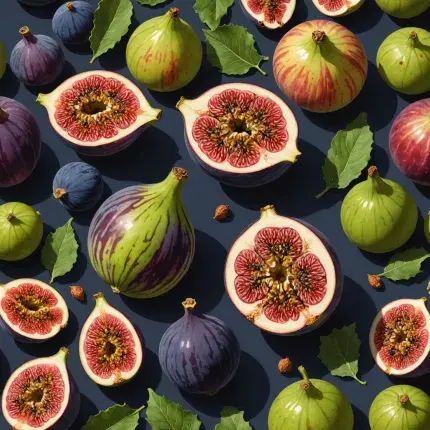
Fig: From Ancient Fruit to Modern Finance Term
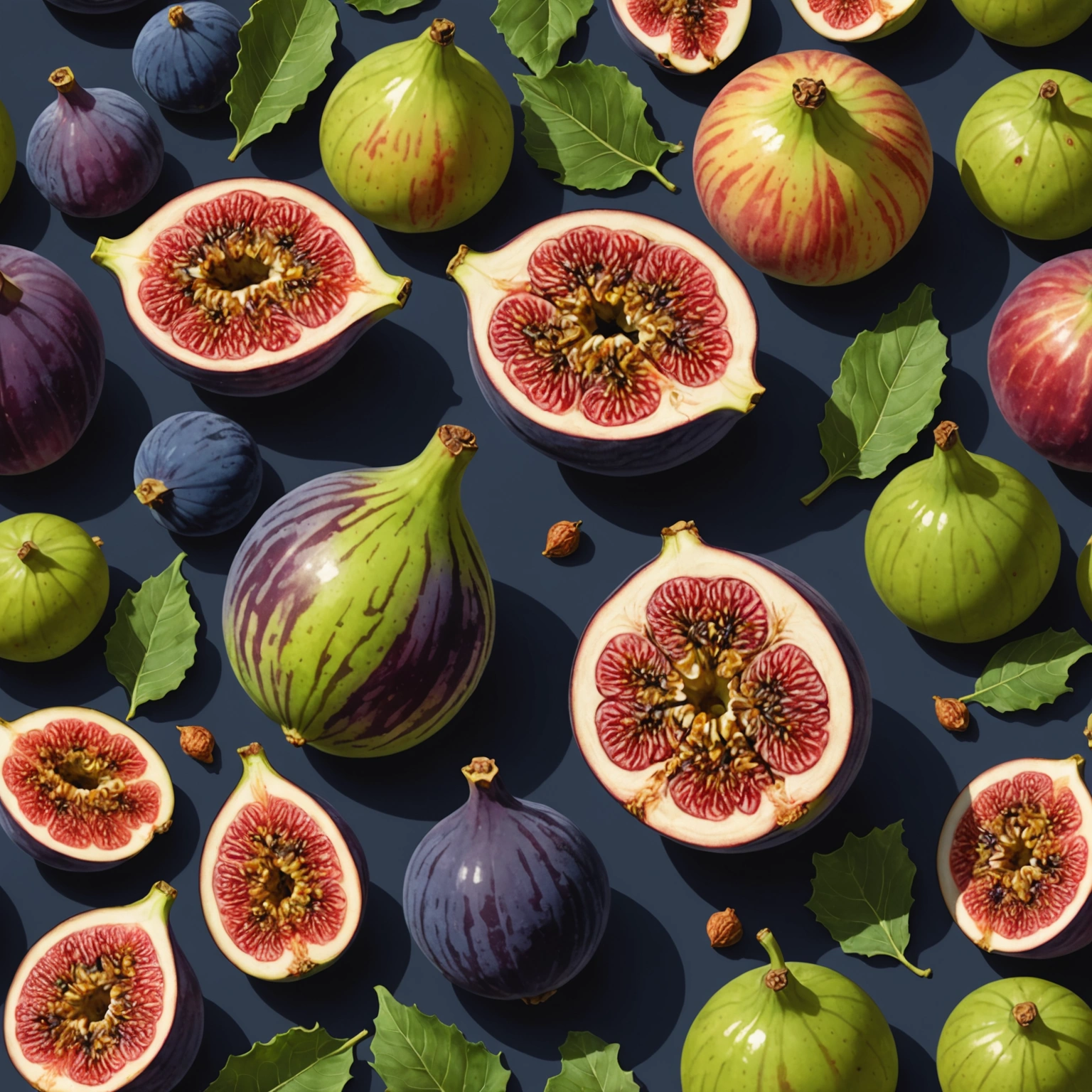
What makes this evolution so captivating? It reveals how language adapts, turning everyday elements into specialized jargon. Long before boardrooms buzzed with acronyms, figs were cultivated over 5,000 years ago in regions like the Jordan Valley, praised in the Bible and Roman texts for their sweetness and versatility. Yet, in a linguistic twist, "fig" now stands for Financial Institutions Group, a critical sector in finance where trillions in assets are managed.
This article traces that path: exploring the fruit's essence, its cultural depth, the shift to metaphors, and its pivotal role in fig finance and fig investment. Whether you're pondering what is a fig in botany or decoding fig meaning finance, you'll gain insights into history, symbolism, and market strategies. Discover why understanding this duality equips you to navigate both gardens and markets with newfound clarity.
What is a Fig? The Botanical and Historical Origins
Botanical Characteristics of the Fig
What is a fig? At its core, a fig is the fruit of the Ficus carica tree, a unique syconium—an inverted flower structure filled with tiny flowers that develop into seeds. Unlike typical fruits, figs boast a soft, pear-shaped exterior with a vibrant interior of sweet pulp and crunchy seeds, offering flavors from honeyed to berry-like.
Ancient Cultivation and Spread
Figs trace back over 5,000 years, with evidence from Neolithic sites in Jordan. Ancient Egyptians dried them for tombs, while Greeks and Romans spread cultivation across Europe, valuing them as a staple food rich in fiber and minerals.
Figs in Early Civilizations
In Mesopotamia and the Bible, figs symbolized fertility. Aristotle noted their role in diets, and they were traded along Silk Road routes, cementing their place in human history.
- High nutritional value: Calcium, potassium, and antioxidants.
- Unique pollination by fig wasps.
- Versatile uses: Fresh, dried, or in wines.
Cultural Symbolism and Idioms Involving Figs
Fig Fruit Meaning in Mythology and Religion
Fig fruit meaning often evokes paradise and sensuality. In Genesis, Adam and Eve used fig leaves for cover, birthing the "fig leaf" as a symbol of inadequate concealment. Mediterranean cultures revered figs for fertility rites.
Figs in Literature and Art
From Homer's epics to Renaissance paintings, figs represented abundance. Shakespeare alluded to their sweetness in metaphors of desire.
Everyday Idioms and Expressions
Phrases like "not worth a fig" denote worthlessness, stemming from figs' once-common abundance. "Fig leaf" now means a superficial cover-up in politics and business.
- "I don't give a fig": Indifference.
- Fig as peace offering in ancient rituals.
- Symbolic role in Eastern philosophies.
The Linguistic Shift: From Fruit to Figurative Language
Evolution of "Fig" in English
Middle English borrowed "fig" from Old French, initially literal. By the 16th century, figurative uses emerged, diminishing value due to overabundance.
Metaphorical Extensions
Fig fruit meaning expanded to insignificance or pretense, paving the way for abstract applications beyond botany.
Influence on Modern Vernacular
These shifts highlight language's adaptability, foreshadowing specialized terms like those in finance.
Fig Finance: Decoding the FIG Acronym in Investment Banking
Defining FIG in Finance
Fig meaning finance refers to Financial Institutions Group, a division in investment banks covering banks, insurers, and real estate firms. It handles mergers, capital raises, and advisory.
Structure of the FIG Sector
FIG encompasses commercial banks, investment banks, broker-dealers, and more, representing a $100 trillion+ asset class globally.
Key Roles and Functions
- M&A advisory for bank consolidations.
- Equity and debt underwriting.
- Regulatory compliance guidance.
- Risk management strategies.
Fig Investment: Strategies and Opportunities in the FIG Sector
Why Pursue Fig Investment?
Fig investment attracts due to steady dividends from banks and growth in insurtech. It offers stability amid economic cycles.
Core Investment Approaches
Strategies include value investing in undervalued banks or growth in fintech hybrids.
Top Examples and Performance
Banks like Wells Fargo exemplify FIG resilience, with sector ETFs outperforming during recoveries (e.g., post-2008 gains).
- Dividend aristocrats in insurance.
- REITs for real estate exposure.
- Hedge funds targeting FIG arbitrage.
Modern Relevance and Future of "Fig" in Finance
Current Trends in FIG
Fig finance adapts to digital banking, with fintech disrupting traditional models.
Challenges Facing the Sector
Regulatory pressures and interest rate volatility test FIG resilience.
Future Outlook
- Rise of sustainable banking.
- Blockchain integration.
- Global expansion in emerging markets.
Examples include JPMorgan's fintech acquisitions, signaling a hybrid future.
Frequently Asked Questions
What is a fig?
A fig is the syconium fruit of Ficus carica, known for its sweet taste, ancient origins, and unique wasp pollination.
What does fig fruit meaning symbolize?
Fig fruit meaning symbolizes fertility, abundance, and concealment, as in biblical fig leaves or idioms of insignificance.
What is fig meaning finance?
Fig meaning finance stands for Financial Institutions Group, an investment banking sector focused on banks and insurers.
Is fig investment a good strategy?
Fig investment suits long-term portfolios for dividends and stability, but requires monitoring regulations and rates.
How did the fig fruit inspire finance terminology?
Through linguistic evolution from literal fruit to metaphors of value, indirectly influencing acronym adoption in structured finance.
What are top FIG companies to watch?
Leaders include JPMorgan Chase, Berkshire Hathaway, and Allianz for their market dominance and innovation.
FIG vs. other investment sectors?
FIG offers lower volatility than tech but higher yields than utilities, aiding diversification.
Will fintech replace traditional FIG investing?
Fintech complements rather than replaces FIG, creating hybrid opportunities in digital finance.